
Maxilin Superprobiotics logo
In-depth reviewUpdated 12 January 2026

Is Maxilin™ the bestsuper probioticsupplement for gut health?

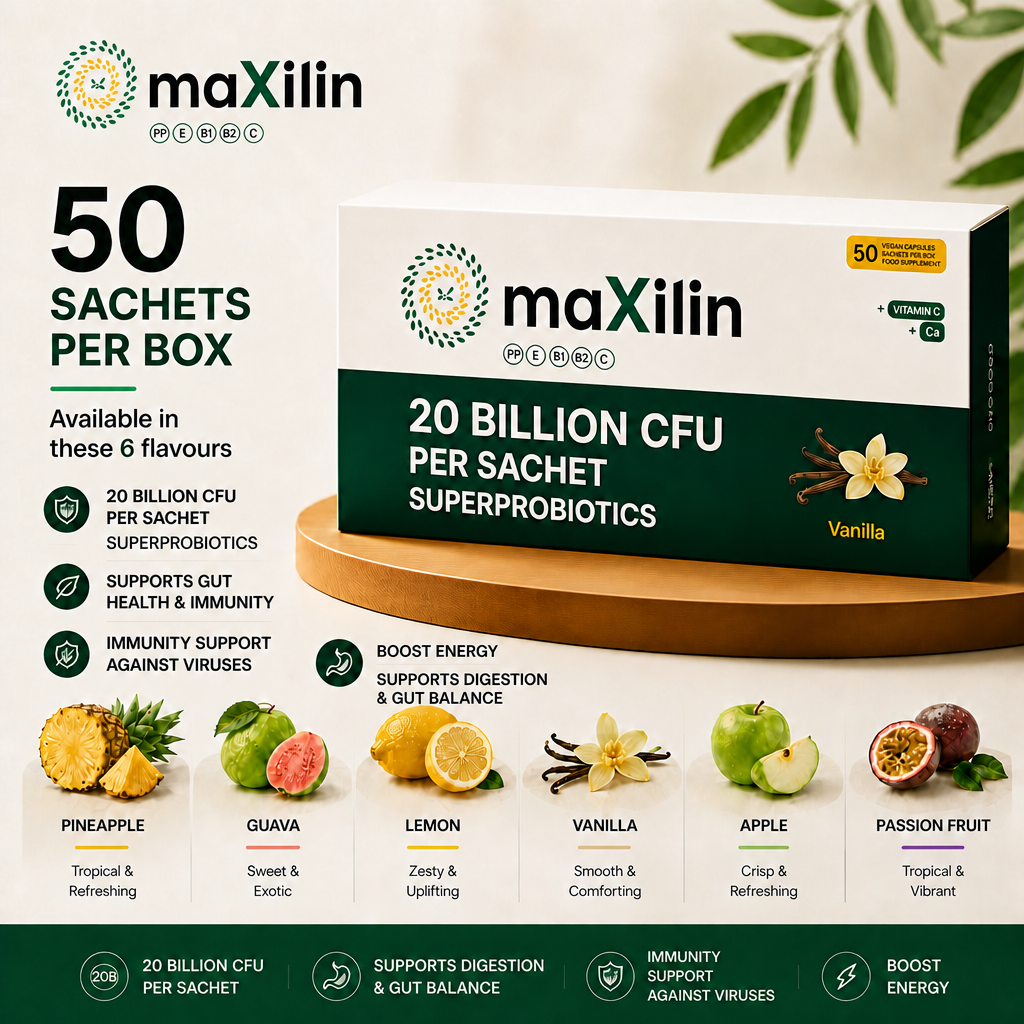
One trillion CFU per box. Three named live cultures, two prebiotic fibres and seven vitamins and minerals in a single daily sachet. We take the formulation apart — specification by specification — so you can judge it on evidence rather than on the number printed across the front of the pack.

  • GMP Manufactured
  • ISO 22000
  • HACCP
  • HALAL Certified
  • Sold in 38 countries
Maxilin Super Probiotic box with 50 sachets across six flavours
20bn
CFU per sachet
50
Sachets per box
20billion
CFU per sachet
Declared live culture count
1trillion
CFU per box
20 billion × 50 sachets
50sachets
Per box
25 days on the twice-daily schedule
3cultures
Named live strains
Declared to strain level
7nutrients
Vitamins & minerals
With authorised claim wording
6flavours
Sachet varieties
One box, mixed flavours
What sets it apart

Four reasons Maxilin™ does not behave like a typical high-street probiotic

Most probiotic supplements compete on a single number. This one competes on format, composition and the level of detail printed on the label — which, as it turns out, is where the interesting differences actually live.
Survival

Designed around the journey, not just the label

The number printed on a box is the number that goes into your mouth — not necessarily the number that reaches your intestine. Gastric acid and bile reduce viability, and how well a culture copes varies strain by strain. Maxilin™ is positioned around acid tolerance and a stated shelf-life count rather than a headline figure alone.

Synbiotic format

A three-culture matrix with fibre, not a single strain

Rather than one organism, each sachet declares three named cultures alongside two non-digestible fibres — resistant dextrin and inulin — which act as substrate for gut microorganisms. Combining live cultures with fibre in one serving is what the literature calls a synbiotic format.

Format

A flavoured drink, not another capsule to swallow

One sachet dissolves into 250 ml of warm water. For anyone who dislikes swallowing capsules — or who simply forgets a bottle in a cupboard — turning the dose into a twice-daily drink with six flavours to rotate makes the routine considerably easier to keep.

Nutrition

Nutrients that carry authorised claim wording

Live cultures cannot yet carry a gut health claim in most regulated markets. The vitamins and minerals in the formula can: vitamin C, vitamin E, thiamin, riboflavin, niacin, calcium and magnesium each have specific authorised health claims under applicable food-supplement regulations.

Side by side with a typical probiotic

Not a scorecard — a like-for-like read of what each column actually declares. The left-hand column reflects what is commonly found across the general consumer market.

A typical shelf probiotic
General market baseline
Daily live culture count
1–20 billion CFU is the range most commonly cited for general use
Format
Capsule, tablet or small shot, usually taken once a day
Strain-level labelling
Often species only — e.g. “L. acidophilus” with no strain code
Prebiotic fibre
Sometimes included, frequently unquantified
Added vitamins & minerals
Rarely included in a live-culture product
How you buy it
Off the shelf, no guidance, no follow-up
Maxilin™ Super Probiotic
As declared by the manufacturer
Daily live culture count
20 billion CFU per sachet — 40 billion across the twice-daily schedule
Format
Flavoured powder sachet stirred into 250 ml of warm water
Strain-level labelling
Three cultures named to strain level with registered deposit codes
Prebiotic fibre
Resistant dextrin and inulin declared in every sachet
Added vitamins & minerals
Seven nutrients: vitamins C, E, B1, B2, B3 plus calcium and magnesium
How you buy it
Through a named partner who talks you through the schedule
Nine thousand years in the making

From the Central Asian plains to a strain code on a sachet

Live cultures were not invented by the supplement industry. Follow the thread from milk preservation on the steppe, through a Nobel Prize, to the culture collections that make a strain code meaningful.
  1. c. 7000 BC

    Live cultures enter the human diet

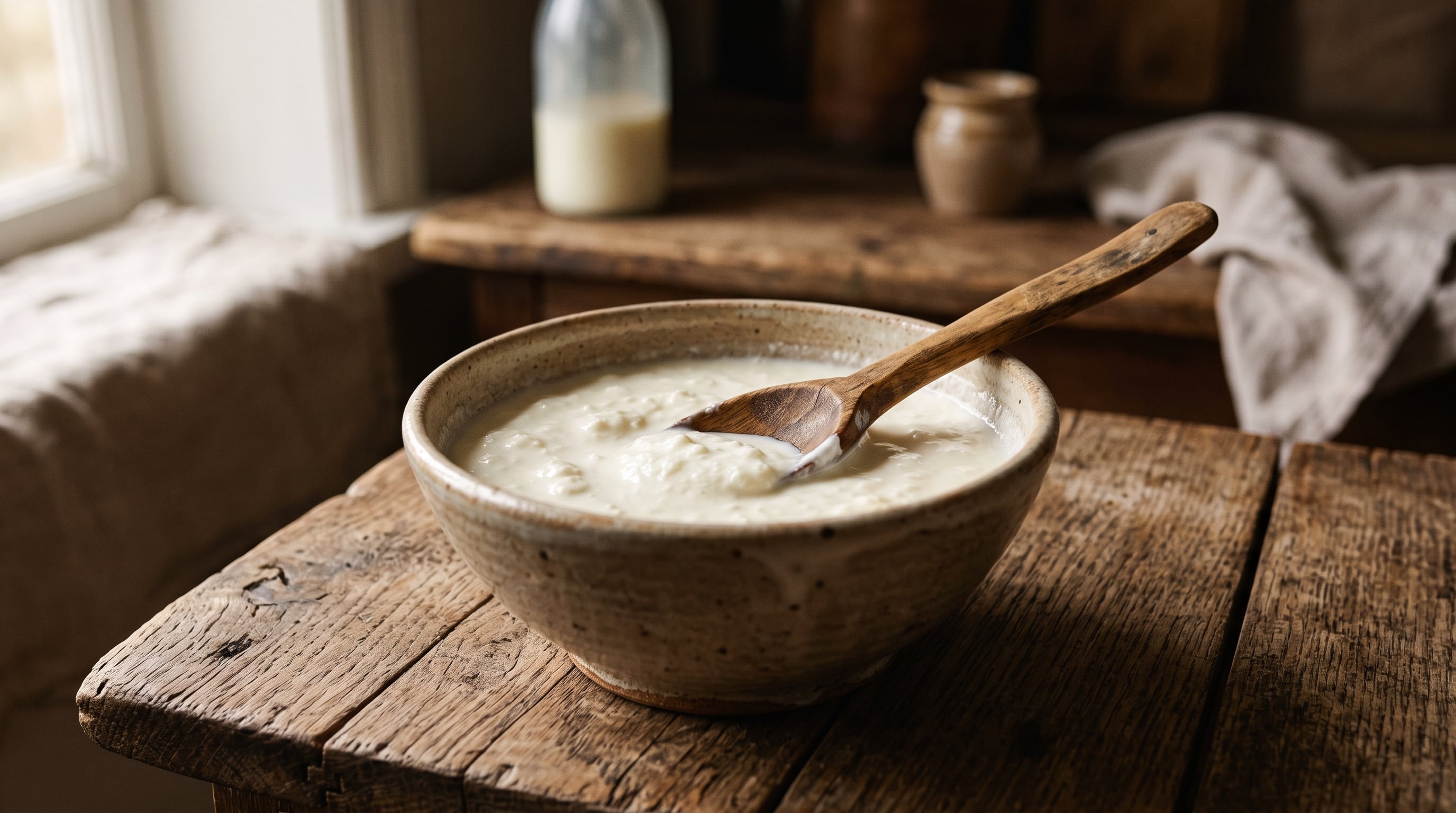
    Historical work traces fermented-milk practices in the Middle East back at least nine thousand years, spreading outwards across Eurasia and taking root on the Central Asian plains. Long before anyone could see a bacterium, whole populations were consuming live cultures every day — not as medicine, but as the only practical way to keep milk edible.

    Nomadic herders on horseback crossing the Central Asian steppe with livestock at golden hour
  2. 1905

    A yoghurt organism is finally isolated

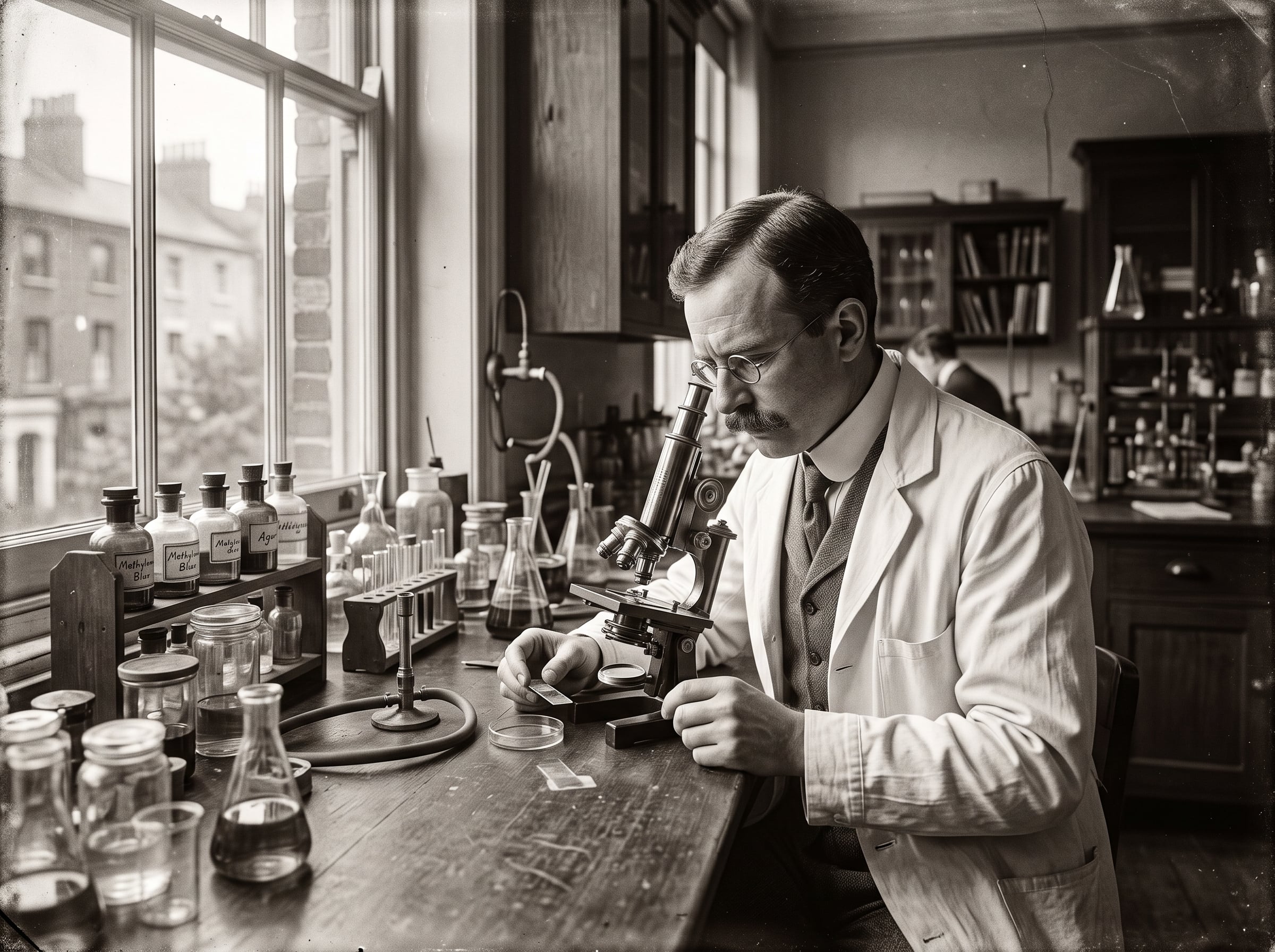
    Working in Geneva, the Bulgarian physician Stamen Grigorov isolated and described the organism responsible for traditional Bulgarian yoghurt. For the first time a specific fermenting bacterium could be named, cultured and studied on its own — the step that turned an ancient food practice into a laboratory science.

    Early twentieth-century microbiologist working at a brass microscope surrounded by glass flasks
  3. 1907–1908

    Metchnikoff, and a Nobel Prize

    Nobel Prize in Physiology or Medicine, 1908

    Élie Metchnikoff, at the Pasteur Institute in Paris, connected the fermented-milk diets of Bulgaria and the Caucasus with unusual longevity, and proposed that acid-producing bacteria might suppress putrefaction in the intestine. He set the idea out in The Prolongation of Life in 1907 and shared the Nobel Prize the following year. His ageing theory was later revised — his lasting contribution was to make intestinal bacteria a serious scientific subject.

  4. 20th century

    Strains get catalogued and preserved

    Fermented dairy moved into industrial production — kefir was being made at scale in Russia by the 1930s — and national microbial culture collections were founded to deposit, catalogue and permanently preserve individual isolates under reference codes. Maxilin™ attributes its lead culture to one such deposit, recorded as VKPM B-2585.

    Petri dish showing cultured lactic acid bacterial colonies in a modern microbiology laboratory
  5. Today

    Identity, viability and consistency

    Modern live-culture manufacturing is judged on three things: is the organism correctly identified to strain, is it still viable when the consumer takes it, and is every batch the same? Maxilin™ is produced under GMP conditions with ISO 22000 and HACCP food safety systems, and is HALAL certified.

    Technician in white coat and gloves carrying out quality control in a clean supplement production facility

A note on heritage. A long fermentation tradition in a region does not establish that a modern isolated strain descends from it, nor that it produces any particular effect. Probiotic effects are strain-specific and use-specific. Heritage explains why a culture was collected and studied — the certificate of analysis explains what is in the box.

Inside every sachet

Three live cultures, two prebiotic fibres, seven nutrients

A 20 billion CFU declaration only means something once you know how it splits. Here is the full breakdown of what one sachet declares — and what each component is actually known for.

Live cultures · 20 billion CFU

15 billion CFU75% of count

Lactobacillus acidophilus

Strain 2585 · deposit code VKPM B-2585

The lead culture and three quarters of the declared count. L. acidophilus is an obligately homofermentative organism associated with the human gastrointestinal tract, and is among the most widely used species in products studied as probiotics. Published work has examined gastrointestinal survival and adhesion to the gut lining — though these behaviours vary strain by strain, which is exactly why the deposit code matters.

4 billion CFU20% of count

Streptococcus thermophilus

Strain 90301

A thermophilic lactic acid bacterium and one of the workhorses of dairy fermentation, used in yoghurt and cheese production worldwide. It is routinely paired with lactobacilli during fermentation, and is the species behind the narrowly defined EU claim on live yoghurt cultures and lactose digestion.

1 billion CFU5% of count

Lactobacillus helveticus

Declared per sachet

A Gram-positive, non-spore-forming thermophile used in Swiss-type and long-ripened Italian cheeses. Its distinguishing feature is a powerful proteolytic system that breaks milk proteins down into peptides and amino acids — the process behind flavour development in aged cheese, and the reason the species attracts research interest.

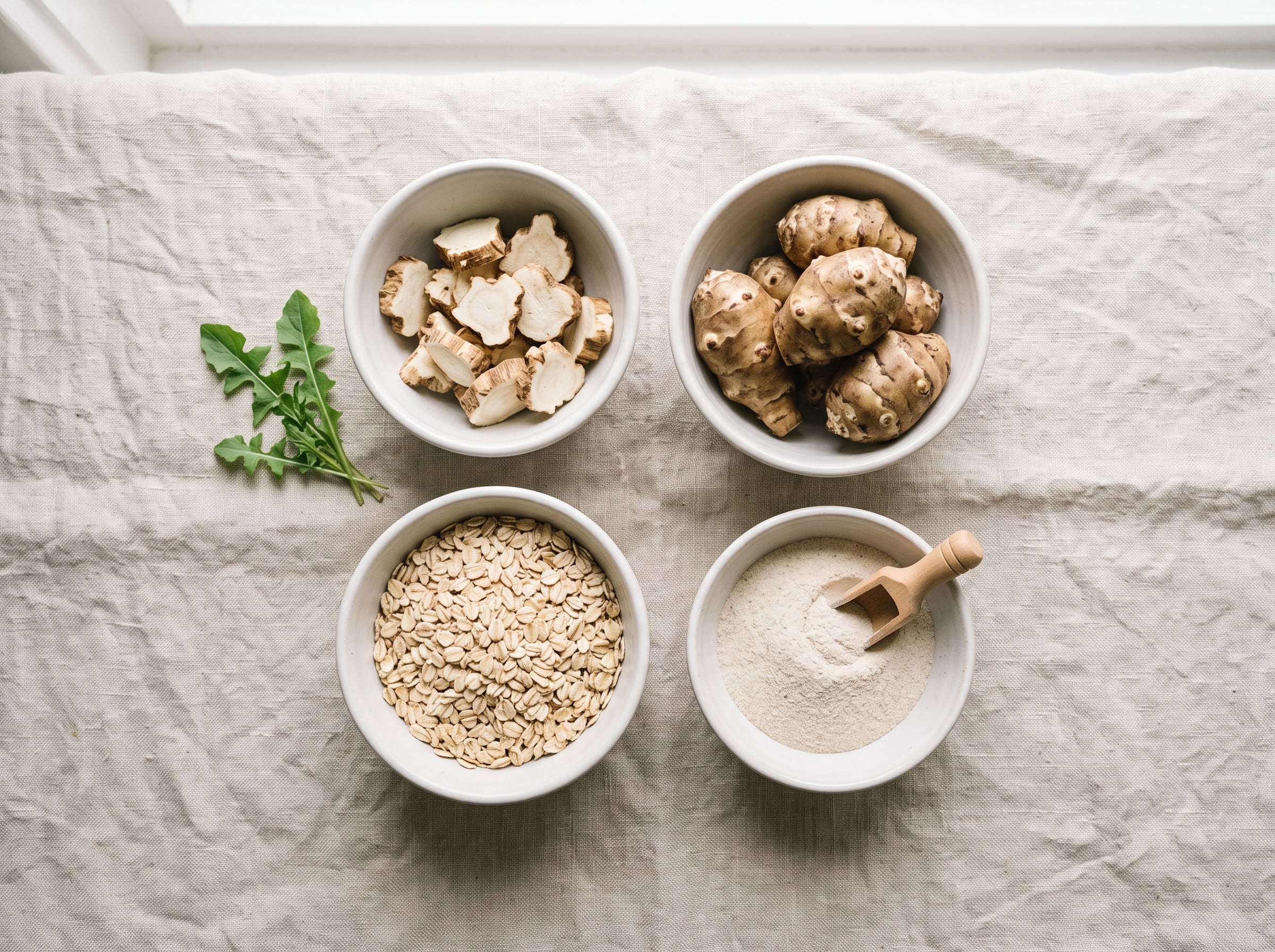
Chicory root, Jerusalem artichoke, oats and fibre powder arranged in bowls on a light surface

Prebiotic fibres

Live cultures plus non-digestible fibre in a single serving is what the literature calls a synbiotic format. Presence alone does not prove synergy — but it does mean the fibre and the cultures arrive together rather than separately.

Resistant dextrin

A soluble, non-digestible carbohydrate that passes through the small intestine largely intact and becomes available to microorganisms further down the tract. It dissolves cleanly and is virtually tasteless, which is why it works well in a drink format.

Inulin

A non-digestible fructan found naturally in chicory root and Jerusalem artichoke, and used as a substrate by gut microorganisms. EFSA has issued a favourable opinion for a specifically characterised native chicory inulin and normal defecation — at an intake of at least 12 g a day, a threshold that applies to that characterisation only.

Vitamins & minerals

Each of these carries specific authorised health claims under applicable food-supplement regulations. Eligibility depends on the product meeting the applicable conditions of use per serving.

Vitamin C
Contributes to the normal function of the immune system
Vitamin E
Contributes to the protection of cells from oxidative stress
Vitamin B1 · Thiamin
Contributes to normal energy-yielding metabolism
Vitamin B2 · Riboflavin
Contributes to normal energy-yielding metabolism
Vitamin B3 · Niacin
Contributes to normal psychological function
Calcium
Contributes to normal muscle function
Magnesium
Contributes to a reduction of tiredness and fatigue

Six flavour options in every box

Twice a day for twenty-five days is a long time to drink the same thing. All six varieties ship together, so you rotate rather than resign yourself.

  • Pineapple
  • Guava
  • Lemon
  • Vanilla
  • Apple
  • Passion Fruit
The daily routine

Four steps, twice a day, for at least four weeks

Getting the routine right matters more than most people assume — and the fourth step is the one almost everybody skips.
Hands stirring a powder sachet into a glass of water in a bright kitchen
  1. 01

    Mix one sachet

    Empty a single sachet into 250 ml of warm — not hot — water and stir until fully dissolved. Water that is too hot risks the live cultures; lukewarm is what the manufacturer specifies.

  2. 02

    Twice a day, before food

    The directed schedule is two sachets daily, roughly thirty minutes before a meal. That works out at 40 billion CFU a day and makes a 50-sachet box a 25-day supply. Do not exceed the recommended daily dose.

  3. 03

    Through the gut

    Swallowed cultures meet gastric acid and then bile. How many survive depends on the strain and the formulation — which is why acid tolerance, rather than the headline count, is the specification worth interrogating on any live-culture product.

  4. 04

    Give it four weeks, and keep notes

    NICE advises that adults with IBS who choose to try a probiotic should take it at the manufacturer’s recommended dose for at least four weeks while monitoring the effect on symptoms. A simple daily note is the most useful thing you can do.

Before you start. If you are pregnant, breastfeeding, taking medication or living with a medical condition — including anything affecting your immune system — speak to your doctor or pharmacist first. A food supplement should never replace, delay or alter prescribed treatment.

Our editorial assessment

The verdict: strong on formulation, thinner on product-specific evidence

Scored across six criteria that we apply to every live-culture product we look at. These are our own editorial judgements, not laboratory findings or clinical results.
Overall score
8.0
out of 10

A genuinely well-built formulation in a format people can actually stick to. The gap is the same one that affects almost every consumer probiotic: published trials on the finished product.

Talk to a partner

Reviewed 12 January 2026

Formulation transparency

9/10

Per-sachet counts, per-culture splits and fibre content are all declared openly.

Strain-level identification

8/10

Two of three cultures carry a strain code — better than most of the high street.

Format and palatability

9/10

A flavoured drink in six varieties is far easier to sustain than a daily capsule.

Prebiotic and nutrient support

9/10

Two fibres plus seven nutrients in the same serving is unusually complete.

Published evidence on the finished product

6/10

Species-level research is plentiful; product-specific human trials are not.

Availability and buying experience

7/10

The partner model means guidance and follow-up, but no next-day checkout.

What works

  • One of the highest declared per-serving counts of any consumer sachet product
  • Three named cultures rather than a single unspecified species
  • Prebiotic fibre and seven nutrients built into the same serving
  • Six flavours make the twice-daily habit genuinely sustainable
  • GMP, ISO 22000, HACCP and HALAL certification behind the manufacturing

What to weigh up

  • No published human trials on the finished Maxilin™ formulation itself
  • Twice-daily dosing means a 50-sachet box lasts 25 days, not 50
  • Only available through a partner — you cannot simply add it to a basket
  • No independent lab verification of declared culture counts has been published
Gut Health Knowledge Hub

Learn how to judge a gut health supplement properly

Plain-English explainers grounded in NICE, NHS, EFSA and peer-reviewed sources — written so you can assess any probiotic on the market, not just this one.
Browse all articles
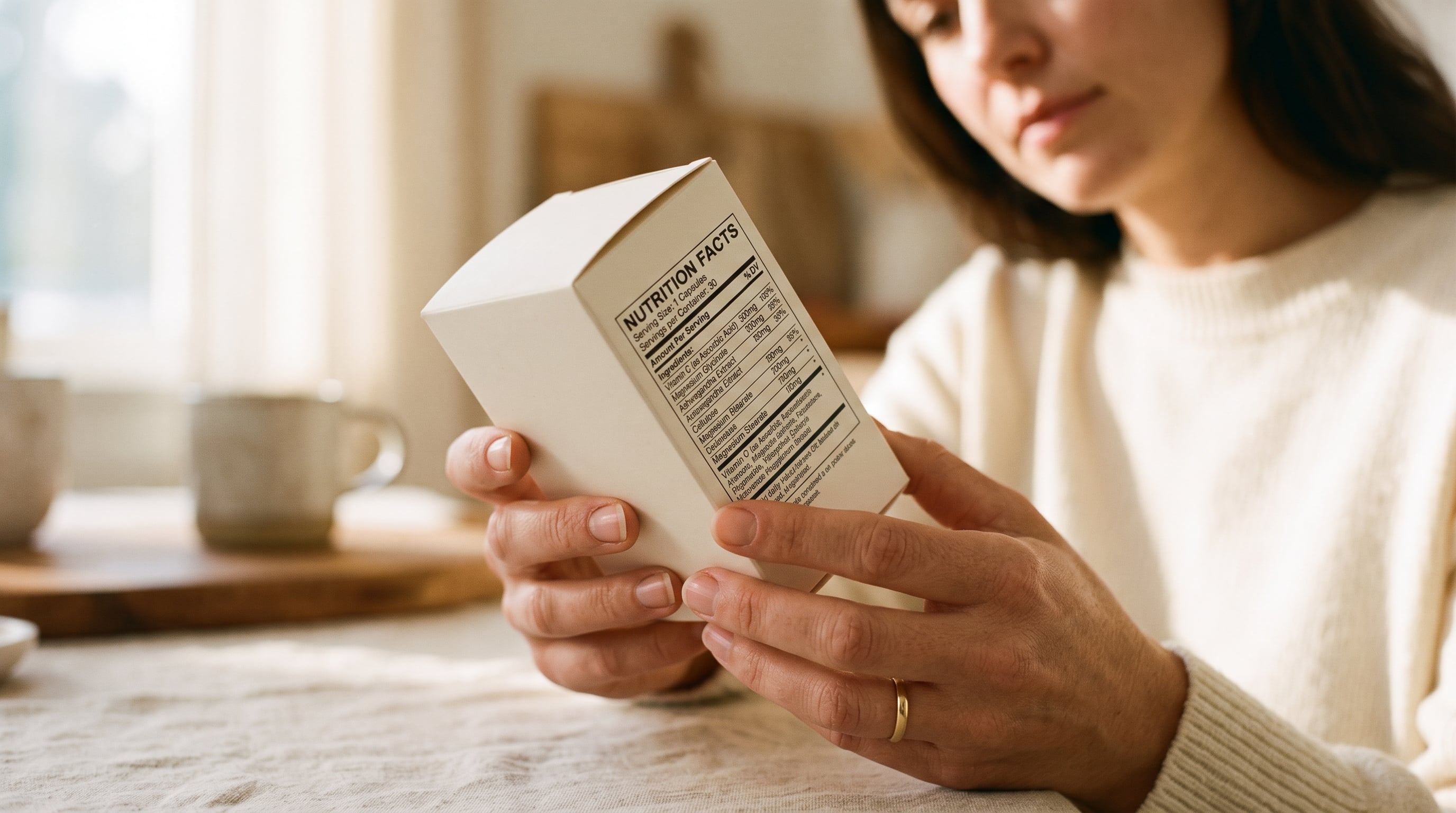
Close-up of hands holding a supplement box and reading the ingredient labelLabel literacy
6 min read

What Does CFU Mean? 1 Trillion CFU Probiotics Explained

Billions, tens of billions, a trillion. Front-of-pack culture counts have turned into an arms race — here is what the number actually measures, and the five things on the label that tell you far more.

Read the article
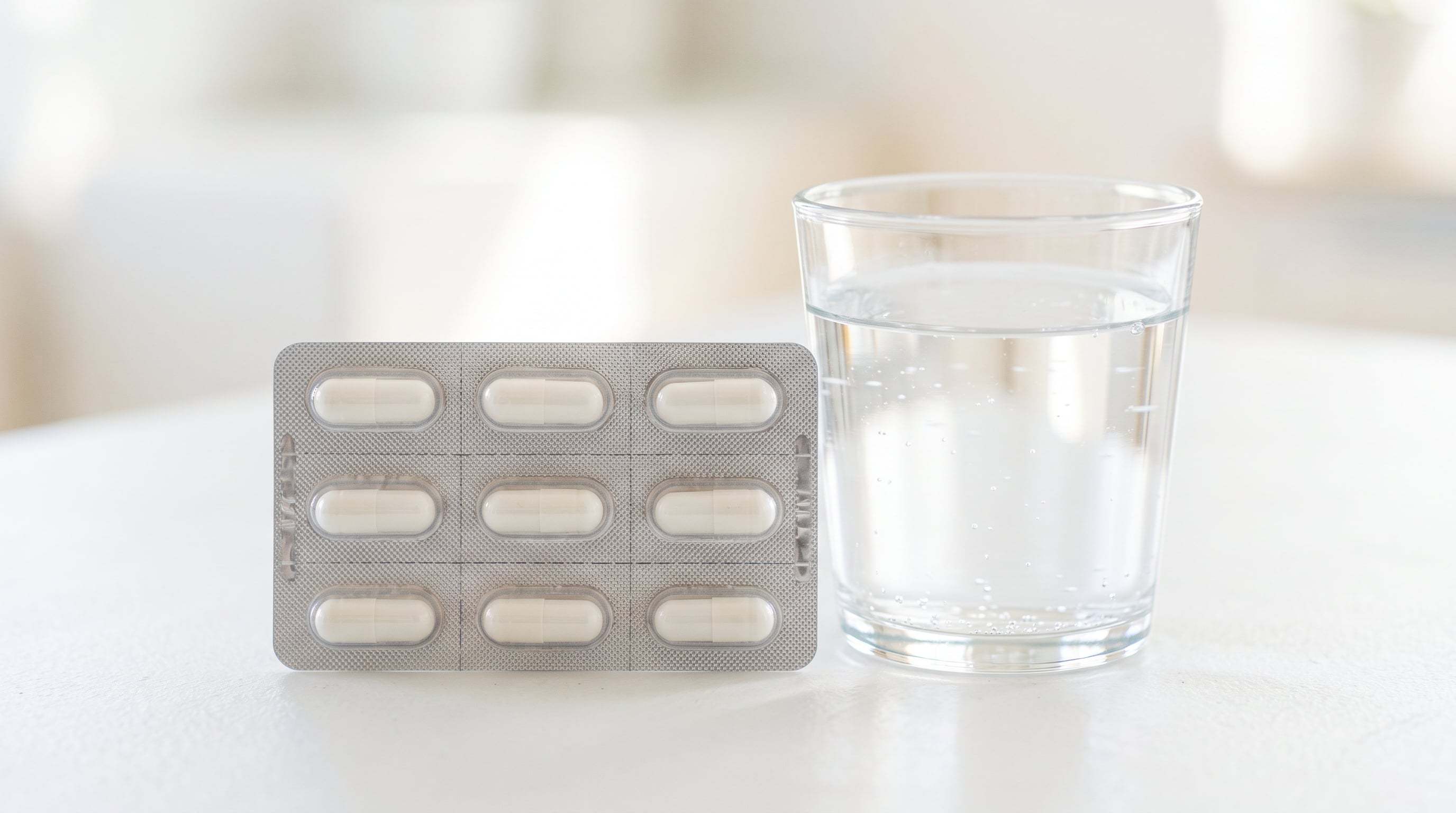
Antibiotic capsules in a sealed blister pack beside a glass of water on a white surfaceEvidence review
7 min read

Probiotics and Antibiotics: What the Evidence Actually Says

“Take a probiotic with your antibiotics” is among the most repeated pieces of health advice online. The actual evidence is narrower, more conditional, and more interesting than the slogan.

Read the article
Straight answers

Frequently asked questions

The questions people actually ask before starting a high-strength probiotic — answered without overstating what the evidence supports.

Maxilin™ Super Probiotic is a powdered food supplement sold in single-serve sachets. Each sachet declares 20 billion CFU across three named live cultures — Lactobacillus acidophilus strain 2585, Streptococcus thermophilus 90301 and Lactobacillus helveticus — together with two prebiotic fibres and seven vitamins and minerals. A box contains 50 sachets in six flavours, which the manufacturer describes as one trillion CFU per box.

CFU stands for colony-forming unit — an estimate of how many viable microorganisms are capable of reproducing under laboratory conditions. The one trillion figure is the arithmetic total for a whole box: 20 billion per sachet multiplied by 50 sachets. It is a compositional statement about the pack, not a dose anyone takes at once, and not in itself evidence of an effect.

No. The dose–response relationship for live cultures is not consistently linear, and a bigger number does not substitute for correct strain identification, viability at the point of consumption, survival through the gut, or evidence in the population and outcome that matters to you. Some studied interventions use comparatively modest doses of a well-characterised strain. Read the strain codes and the shelf-life guarantee before you read the headline figure.

Ask your pharmacist or GP — this depends on the antibiotic, the reason for it and your own circumstances. For context, some NHS clinical protocols advise giving a probiotic at least two hours before or after an antibiotic dose rather than at the same time, and there is moderate evidence that certain preparations may reduce antibiotic-associated diarrhoea in particular settings. That is clinical protocol guidance, not universal consumer advice, and no supplement should ever change, delay or replace prescribed treatment.

We cannot tell you that, and nor can anyone else without product-specific evidence. What we can tell you is how to test it properly: NICE advises that adults with IBS who choose to try a probiotic should take it at the manufacturer’s recommended dose for at least four weeks while monitoring symptoms. NICE does not endorse any particular product. Persistent, severe or changing symptoms warrant a clinical assessment rather than a supplement.

Dissolve one sachet in 250 ml of warm water and drink it. The directed schedule is twice a day, around thirty minutes before a meal. Use warm rather than hot water, and do not exceed the recommended daily dose.

Six — pineapple, guava, lemon, vanilla, apple and passion fruit — supplied together in the same 50-sachet box, so you can rotate rather than commit to one taste for a month.

The product is HALAL certified and manufactured under GMP conditions with ISO 22000 and HACCP food safety systems. For any specific dietary requirement or allergen question, check the current pack labelling and the manufacturer’s specification, as formulations can be revised.

Live cultures are generally described as safe for people with healthy immune systems, but caution applies to medically vulnerable groups. NHS protocols typically exclude or individually assess people who are immunocompromised or neutropenic, those receiving immunosuppressants or recent chemotherapy, those at risk of aspiration or using certain feeding tubes, and people with conditions such as acute pancreatitis. If you are pregnant, breastfeeding, taking medication or living with a medical condition, speak to your doctor or pharmacist first.

Maxilin™ is available in over 38 countries and is distributed person to person through a global network of partners. You buy from a named individual who can walk you through the schedule and stay in touch afterwards. Email [email protected] or call +44 7746 106000 and we will connect you with a partner in your area.

Two people having a friendly conversation over coffee at a bright table
Sold person to person

You cannot add Maxilin™ to a basket — and that is deliberate

Maxilin™ is distributed through a network of partners rather than sold on a shelf. It means you buy from a named person who explains the twice-daily schedule, helps you set up a four-week trial properly, and is still there in week three when you have a question. Tell us where you are and we will connect you with a partner.